
What is a real Gasser
Words and photos by Dan Ricks
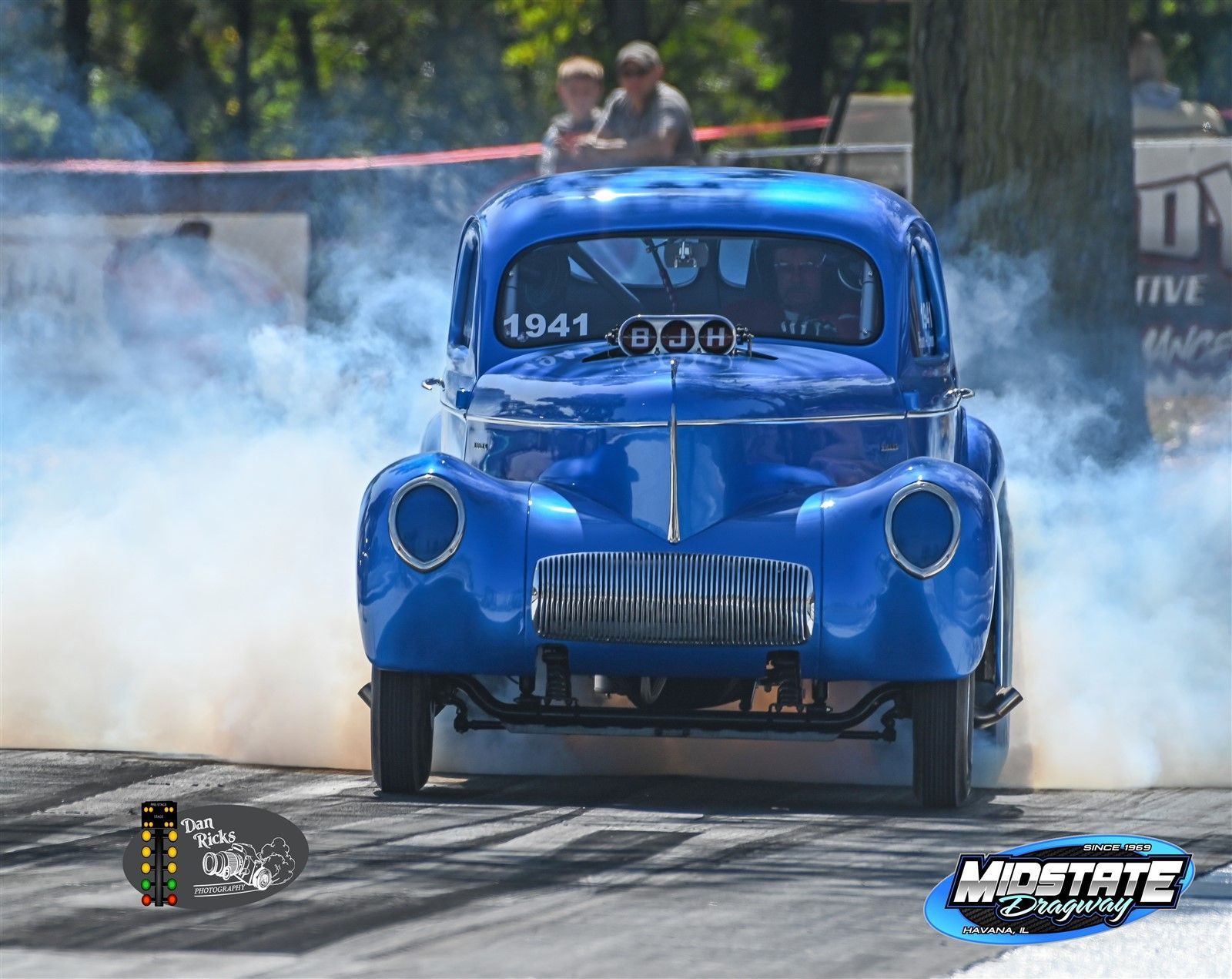
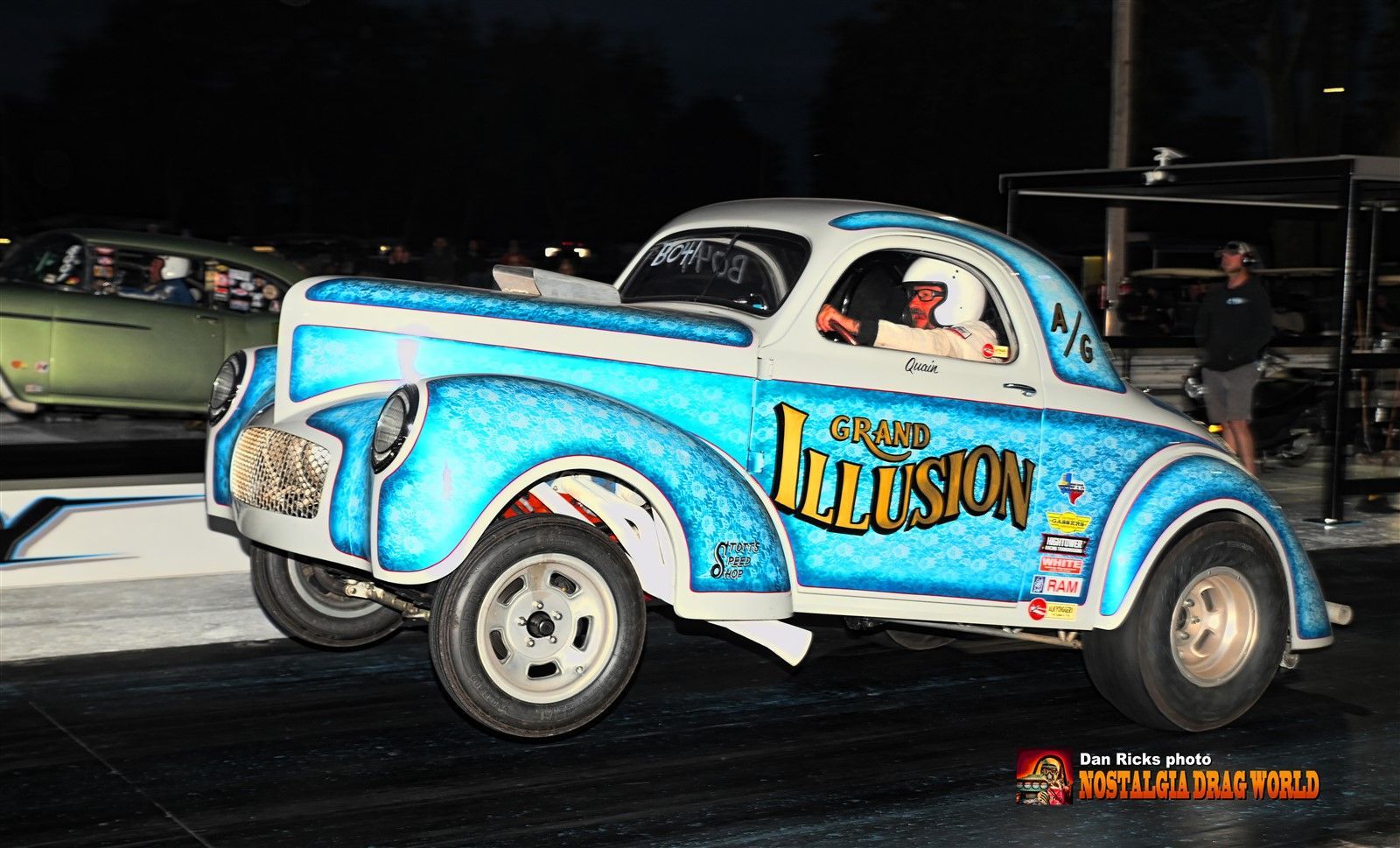
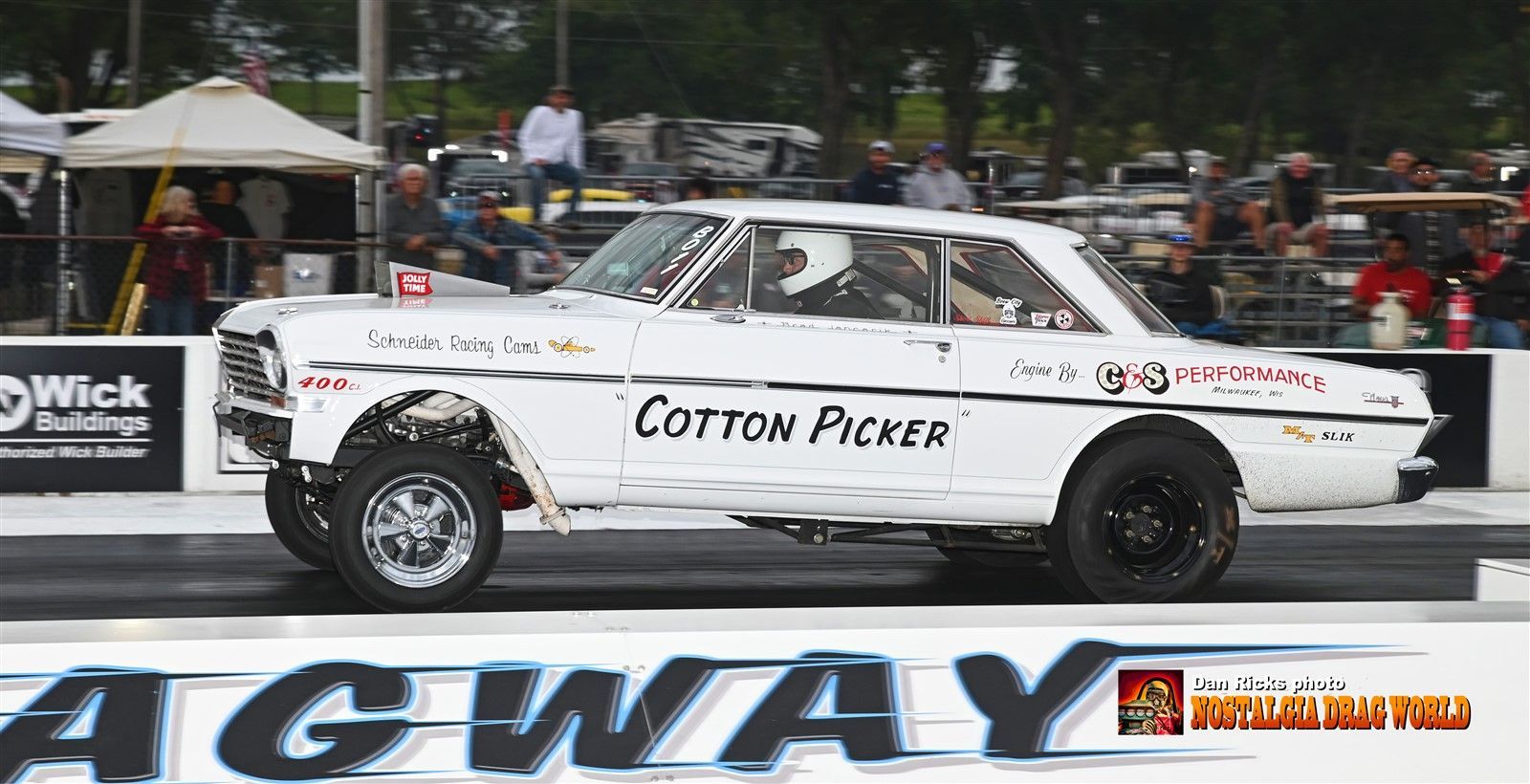
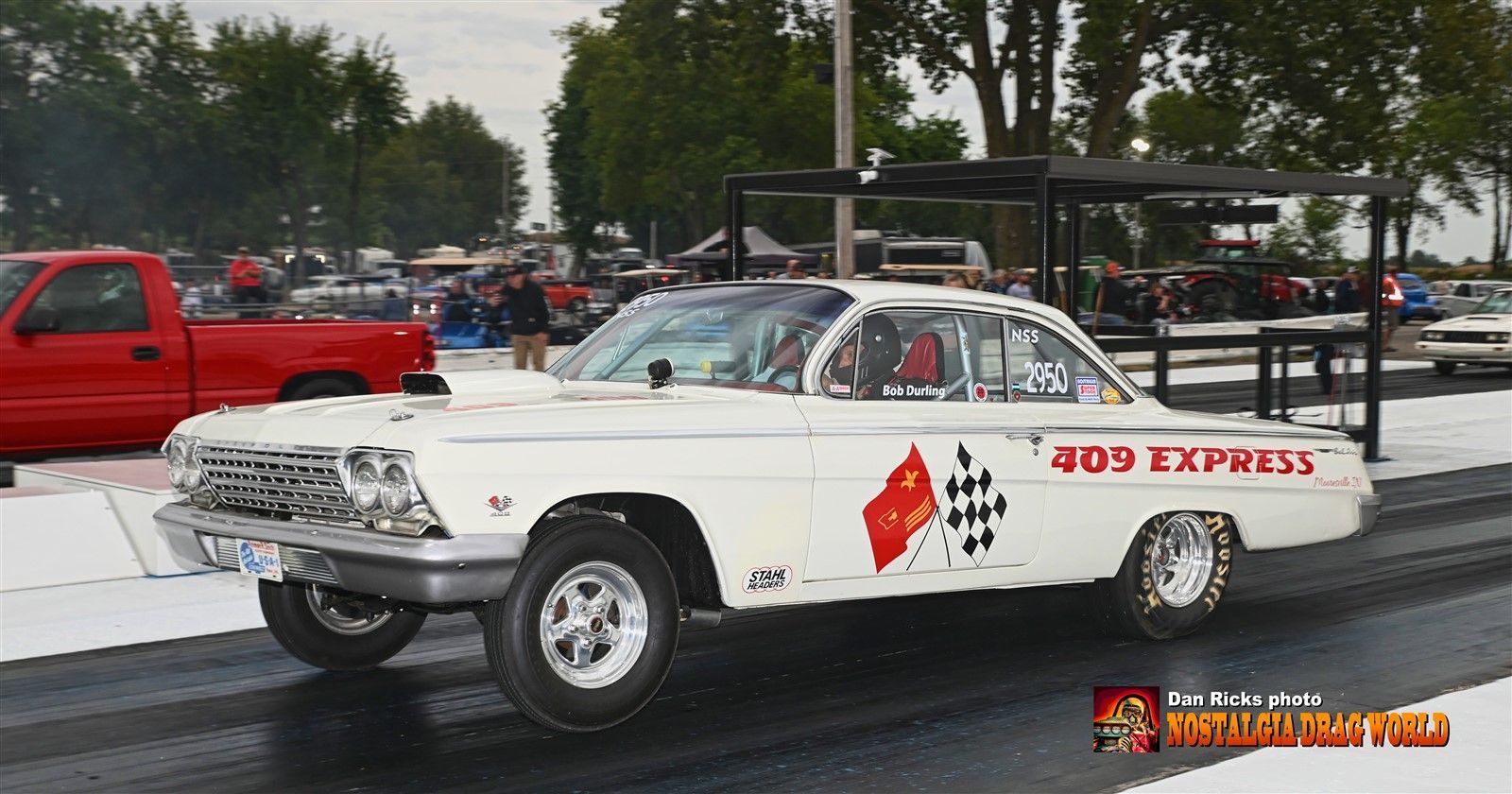
Just what is a Gasser anyways? The origin of the (GASSER) was simply a nickname for the cars that ran in the NHRA’s Gas Couple and Sedan classes in the 50s and 60s.
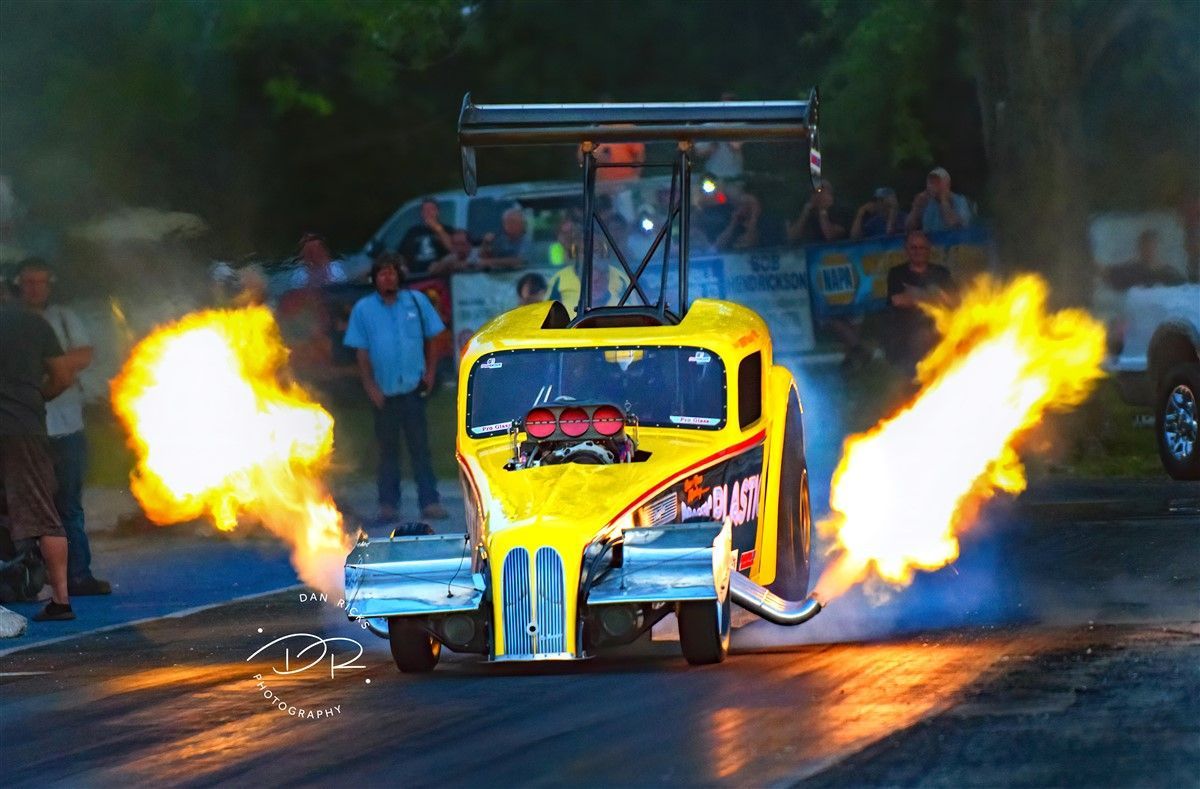
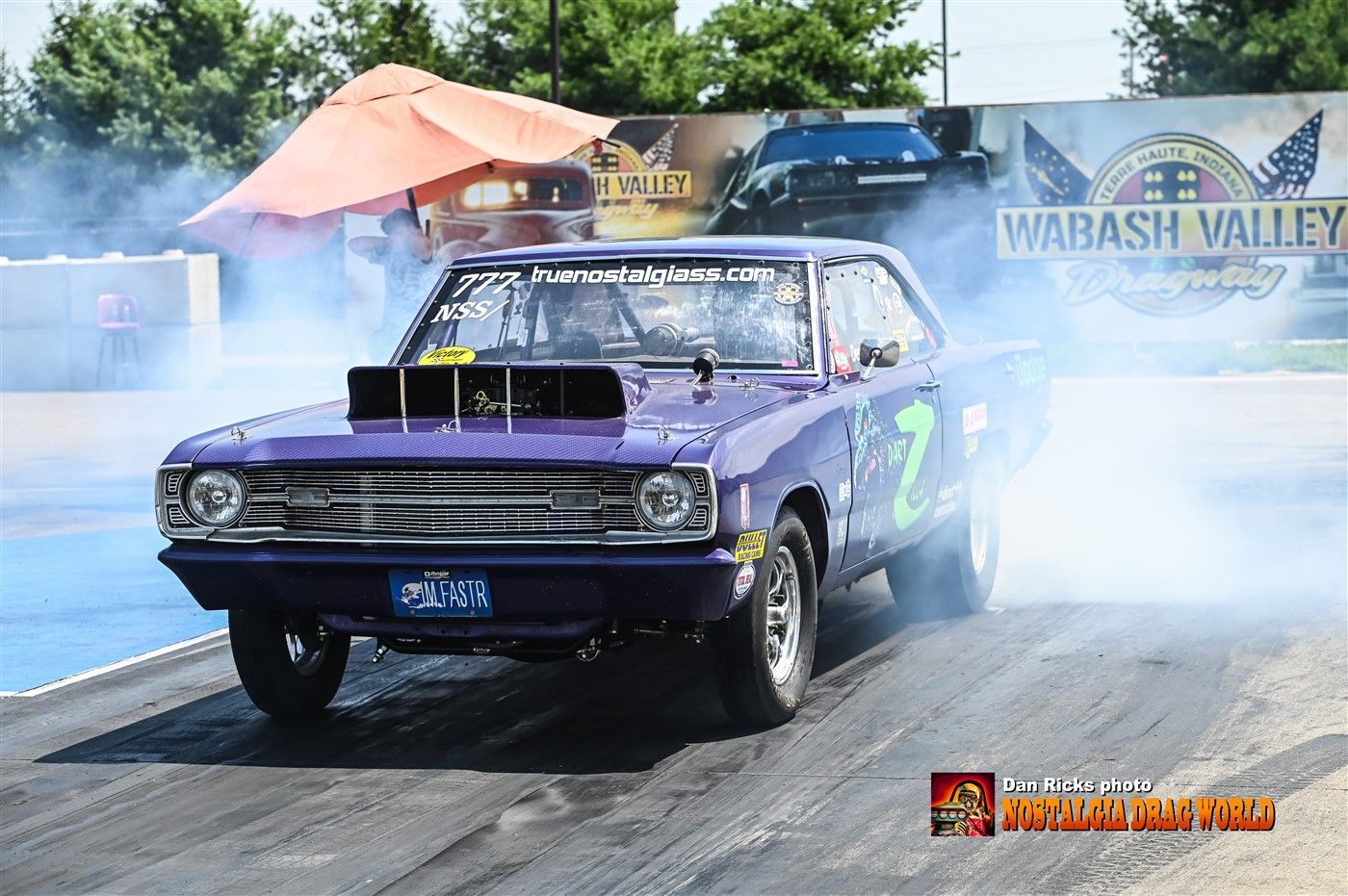
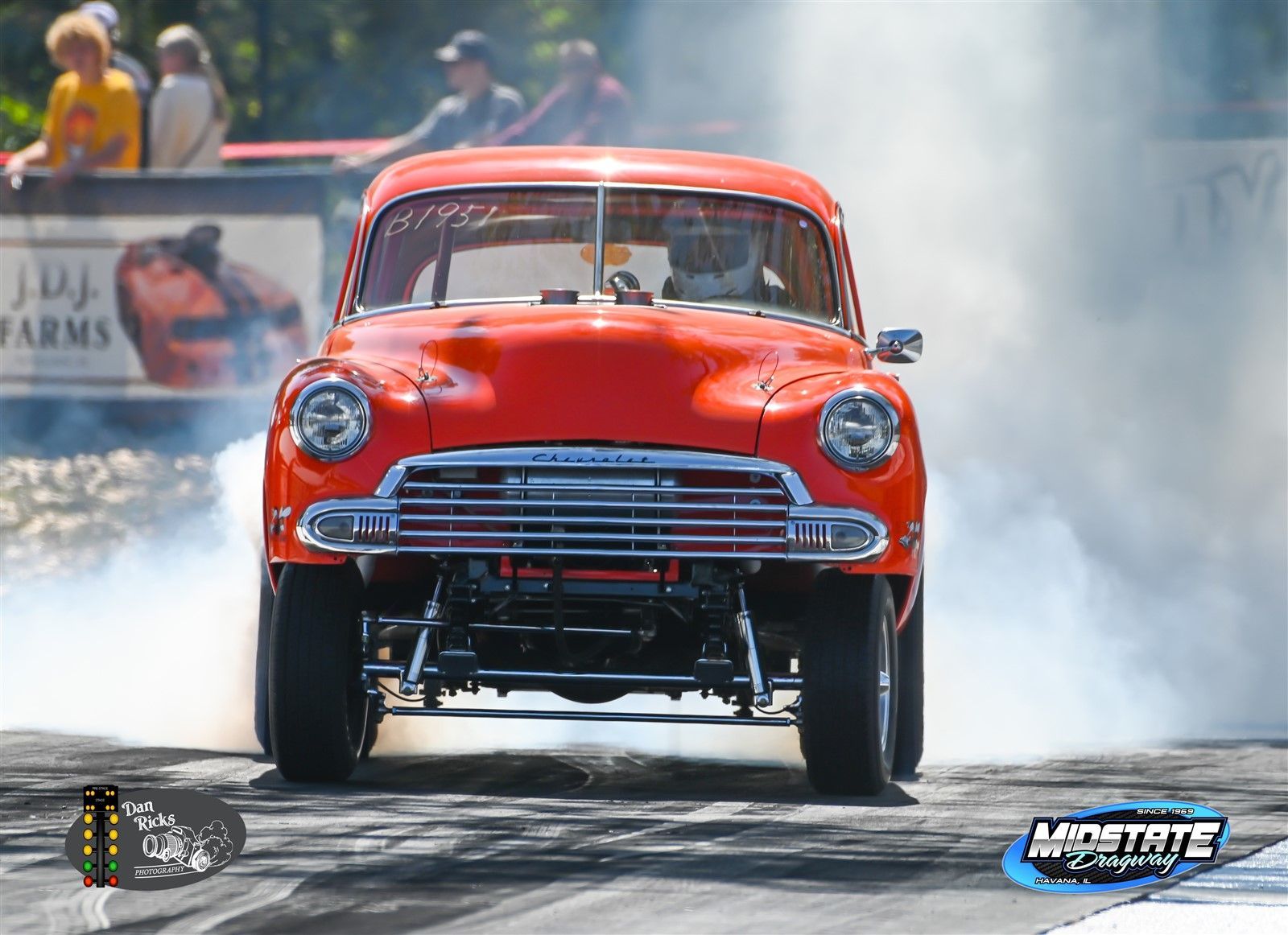
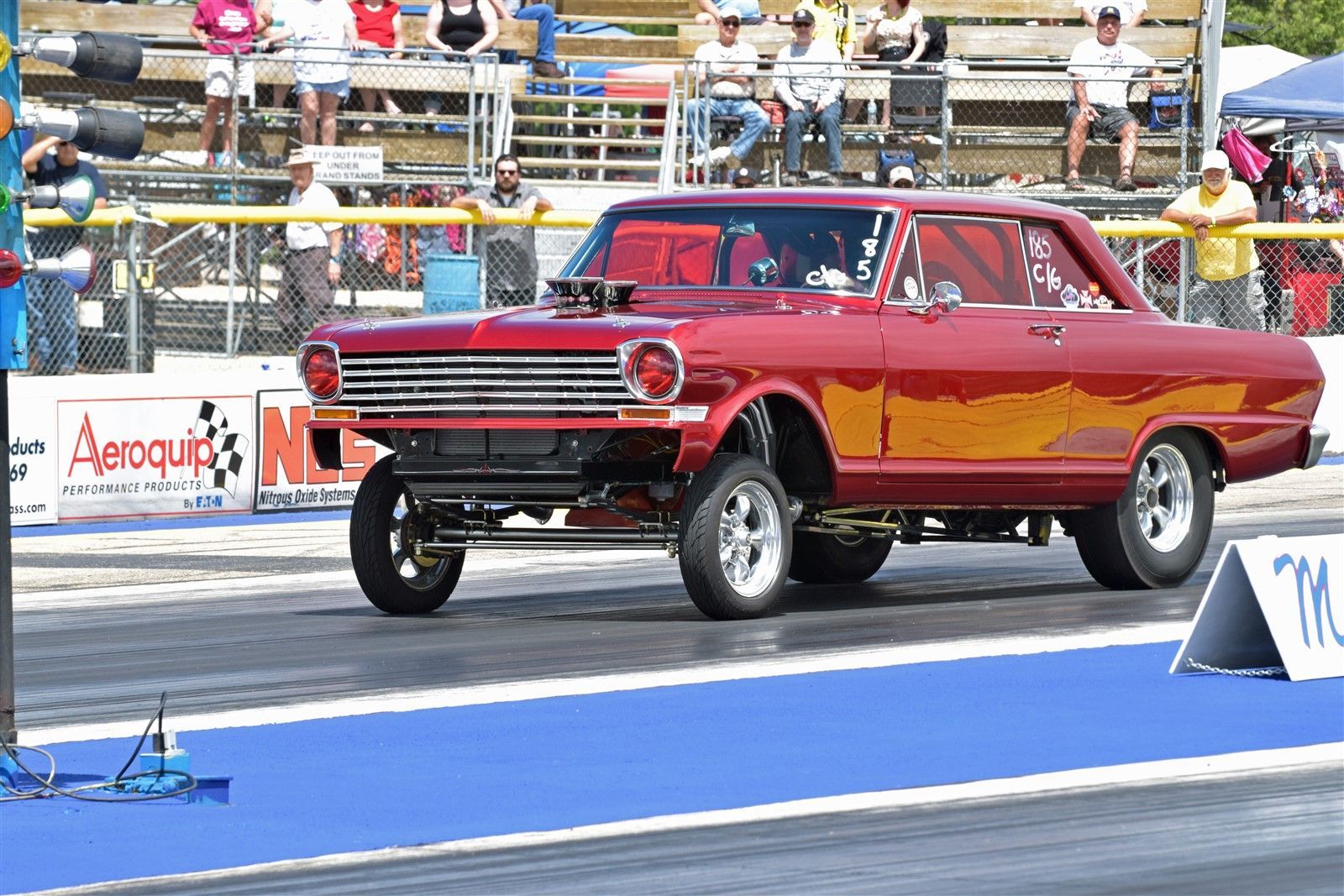
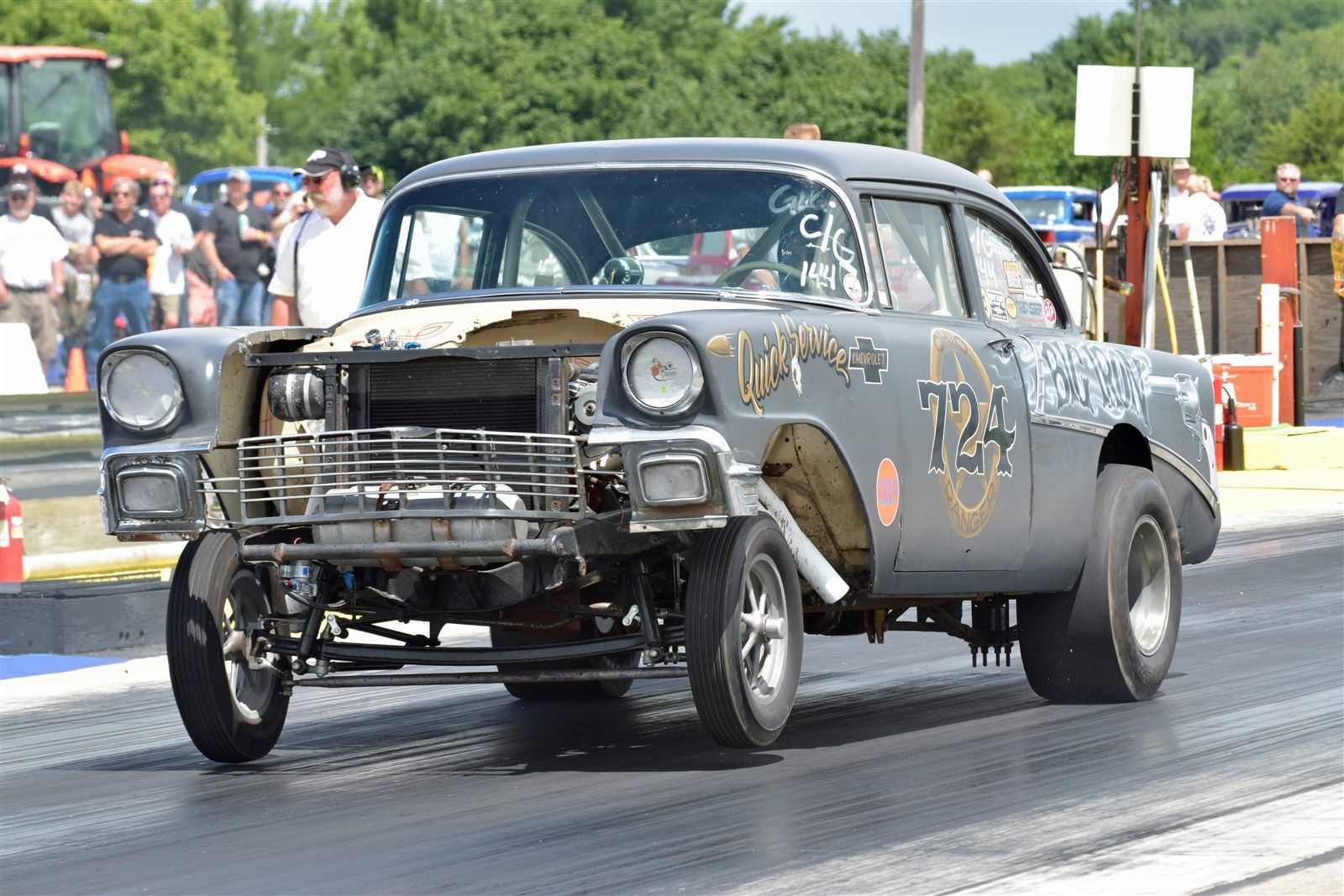
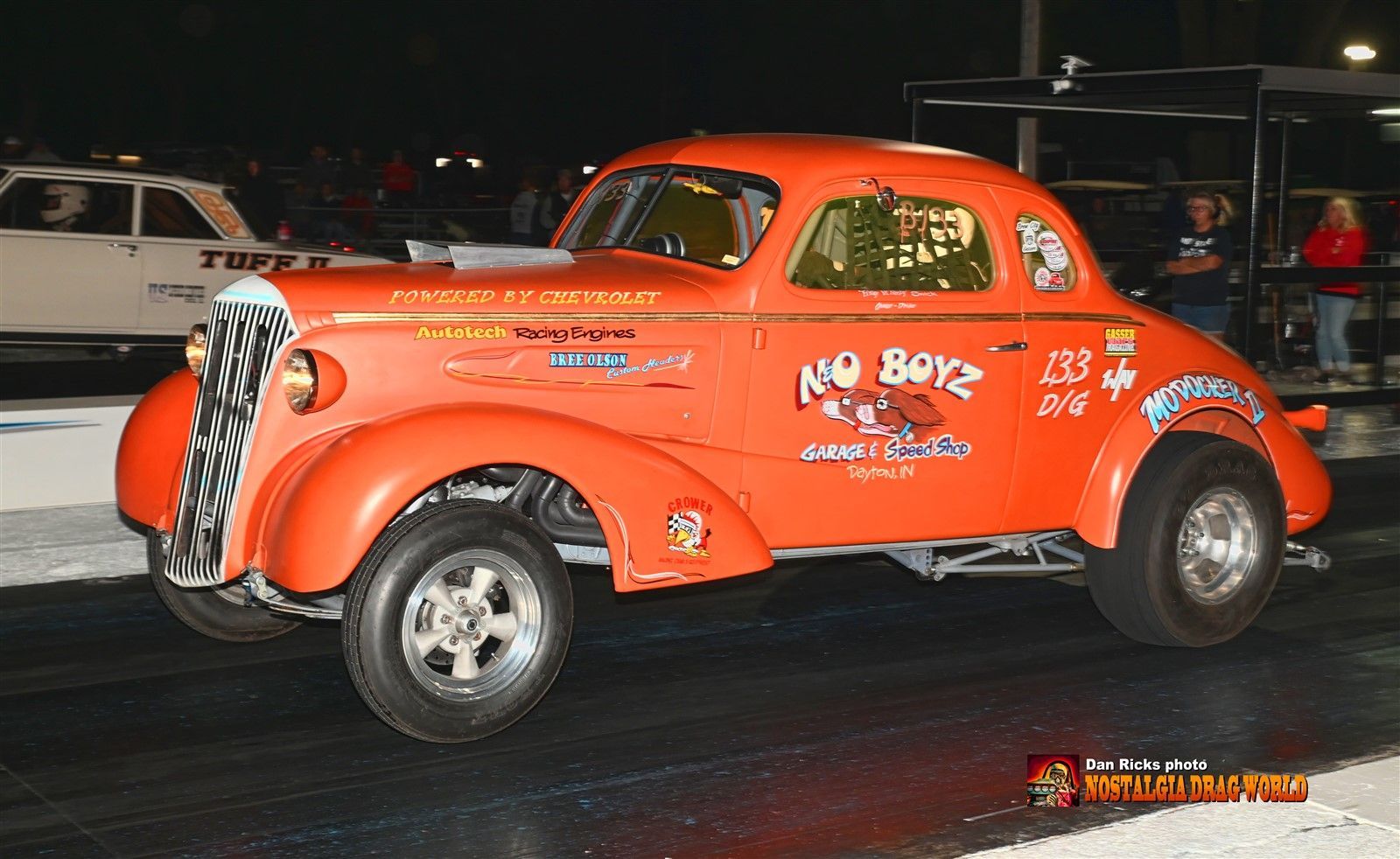
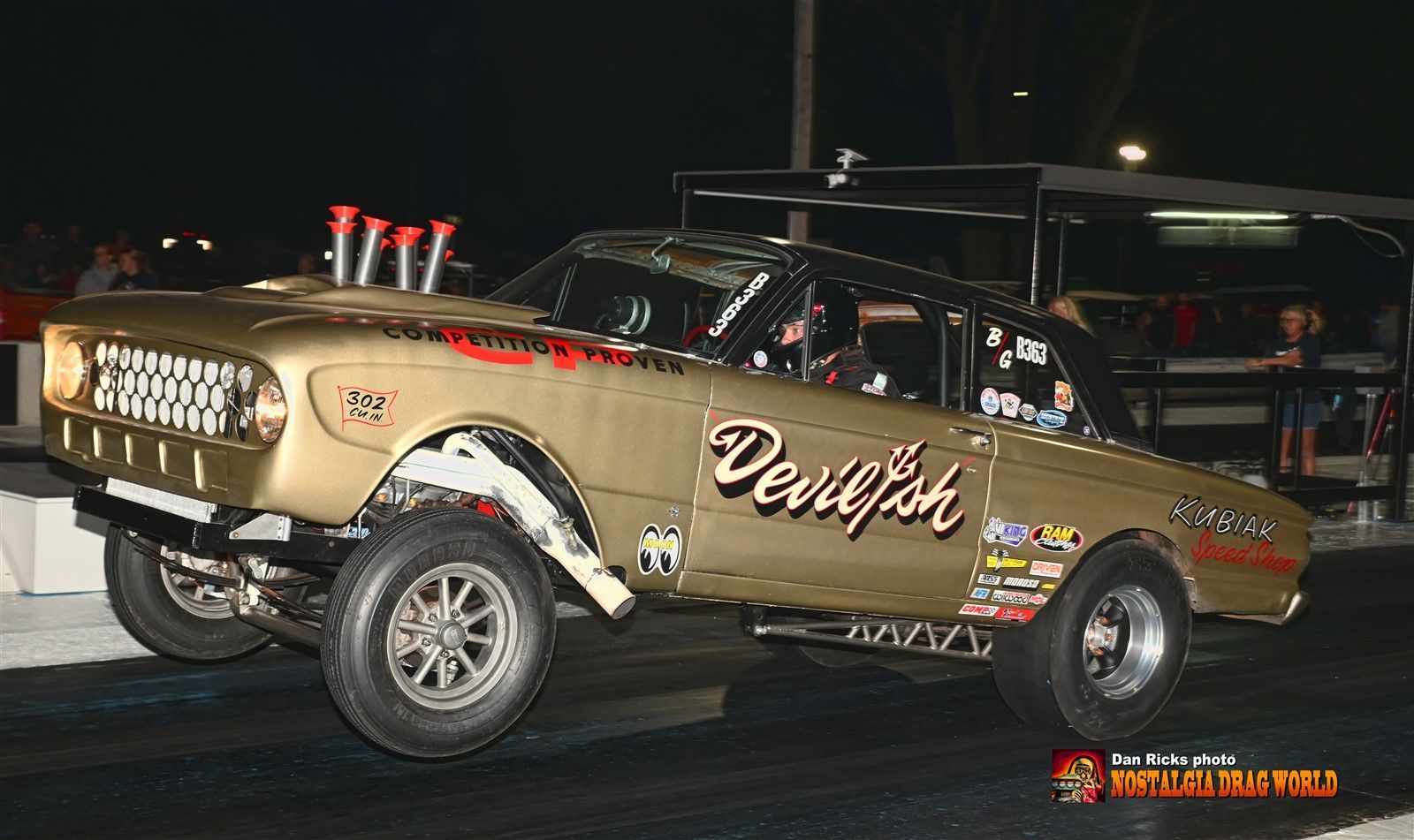
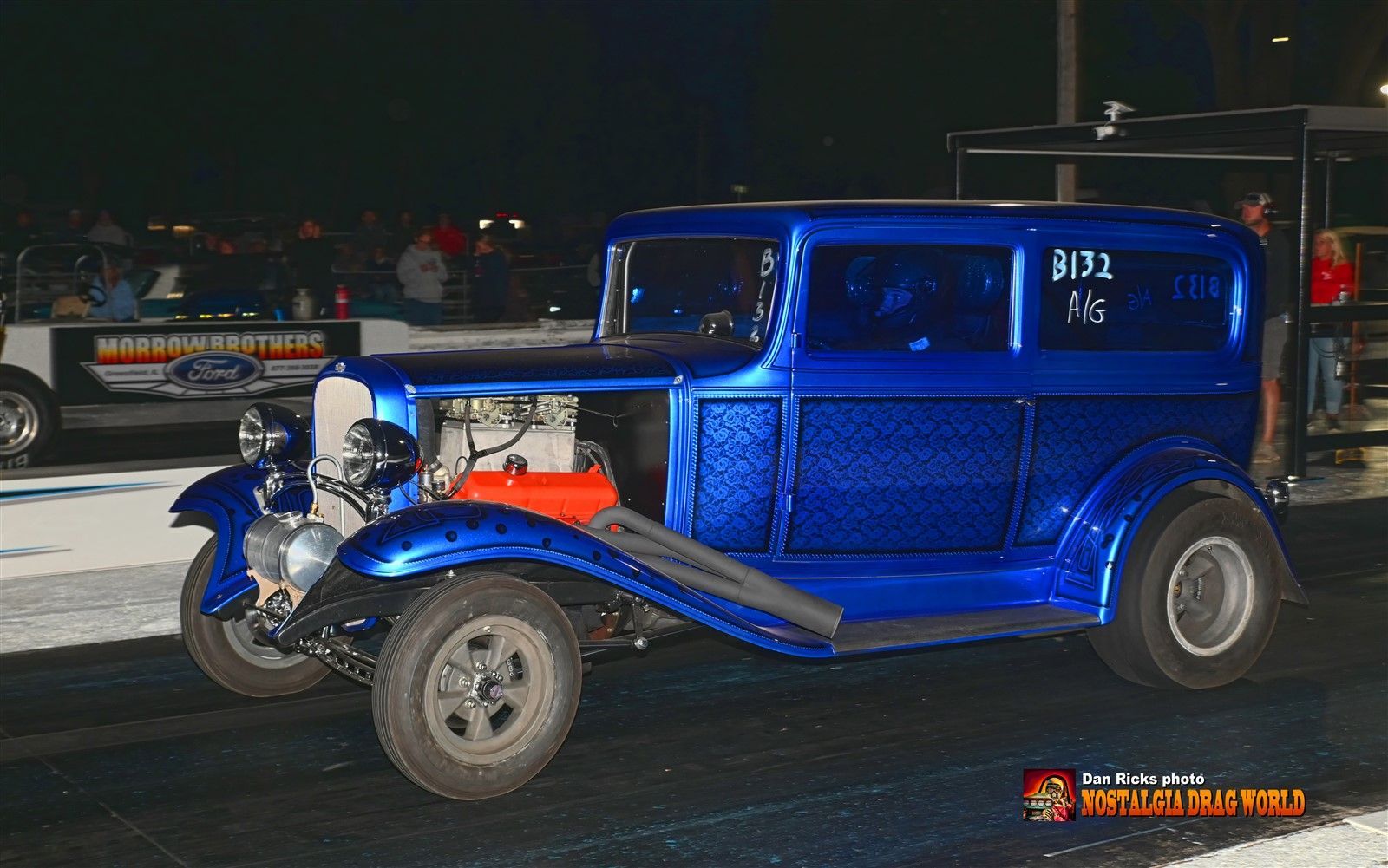
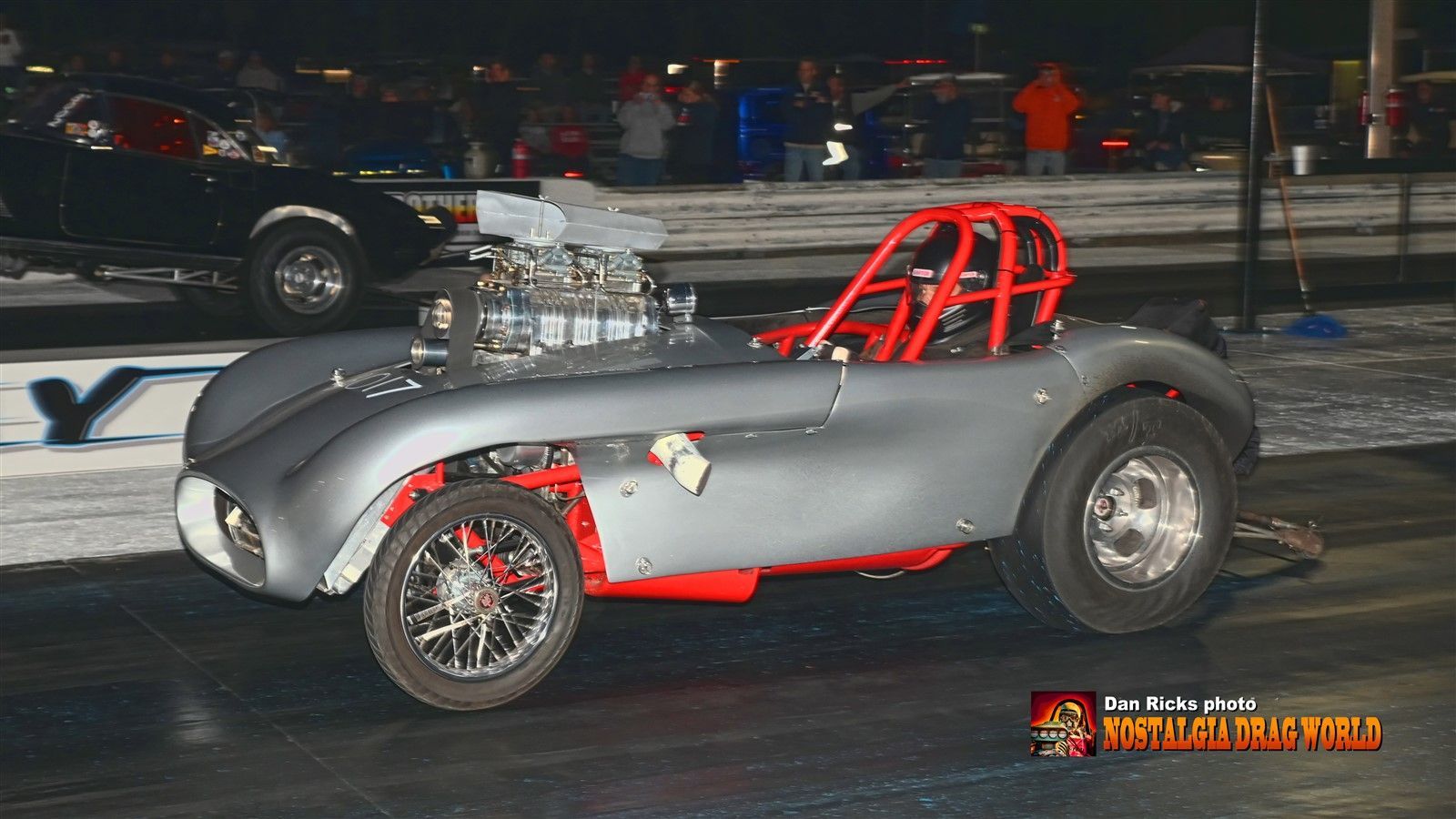
Unlike Dragsters and Altereds, Gassers still resembled the stock cars they were based on, but under their fiberglass flip-up hoods and fenders were high-winding small blocks, blown Hemis, and injected wedge motors. Their jacked-up suspensions got them off the line in a hurry, but the resulting high center of gravity made them just as likely to cross the finish line on their roof as on their wheels.
These wild wheel-up antics made them fan favorites as gasser drag racing exploded in the 60s.
Key Characteristics and Evolution
ORIGIN: Born from the need for faster, competitive cars in NHRA gas-fuel classes (A-GAS to H-GAS)
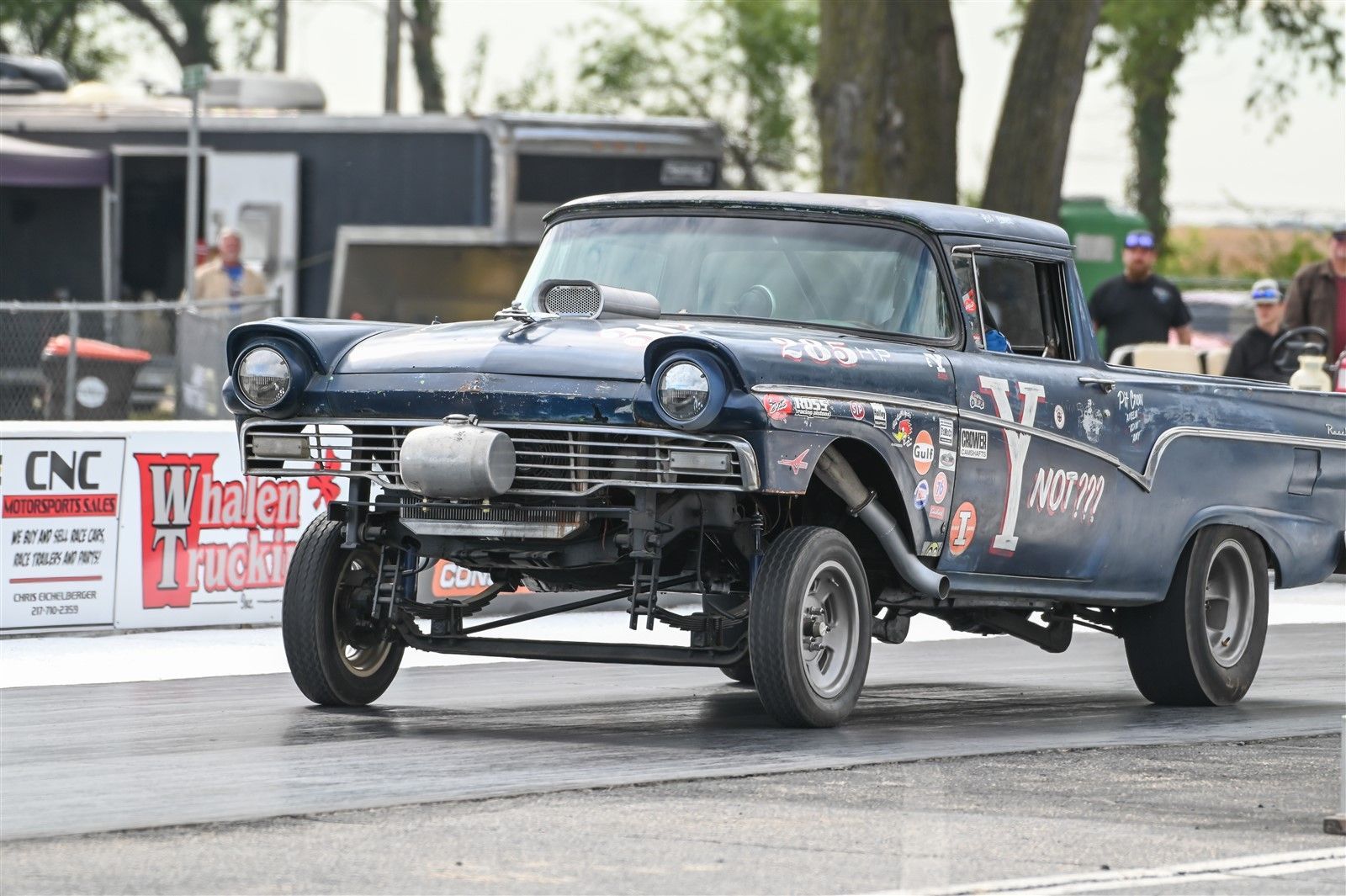
STANCE: The famous “Jacked up” look came from using a straight beam axle, often tubular to shift weight to the rear tires for better acceleration and traction.
WEIGHT REREDUCTION: Interiors were stripped, fiberglass panels used, and windows replaced with Lexan to lighten the cars.
ENGINES: Powerful engines, often supercharged, were fitted, with small block Chevys, big block Hemis, and later Ford engines dominating.
“GASSER WARS” ERA (MID-1950-1968) This period saw intense competition and iconic matchups, with cars becoming increasingly extreme.
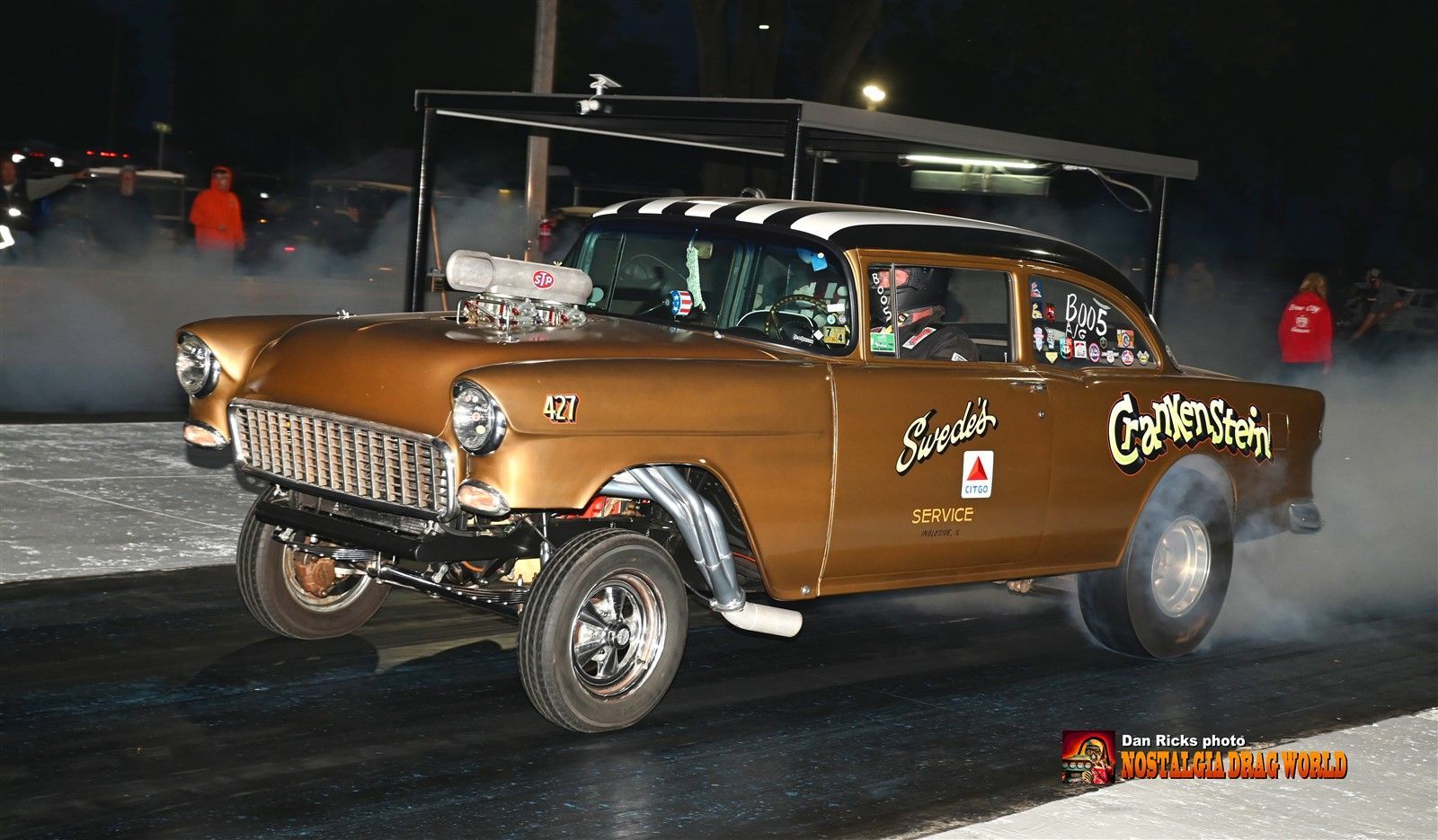
ICONIC BUILDS: Popular platforms included Willys coupes, Austin and Anglia sedans, and Chevrolet “Tri-Fives” (1955-57).
DISTINCTICE FEATURES: Many had front-mounted “moon tanks” for fuel/water, Halibrand wheels, and exhaust pipes exiting through the front fenders for shorter runs.
Gassers represent a pivotal era in drag racing, showcasing raw power, creative engineering, and unique aesthetic that continues to influence hot rodding and nostalgic racing today.
To view more photos click the link below